
- All
- Product Name
- Product Keyword
- Product Model
- Product Summary
- Product Description
- Multi Field Search


Views: 0 Author: Site Editor Publish Time: 2026-03-18 Origin: Site


The escalating geopolitical tensions between the US and Iran have sent ripples across the global steel industry, with the most profound impacts felt in supply chain logistics, raw material transportation, and shipping costs. As the Strait of Hormuz and Red Sea routes face heightened disruptions, steel manufacturers, traders, and buyers worldwide are navigating unprecedented challenges—while also identifying new opportunities in adaptive supply chain strategies.
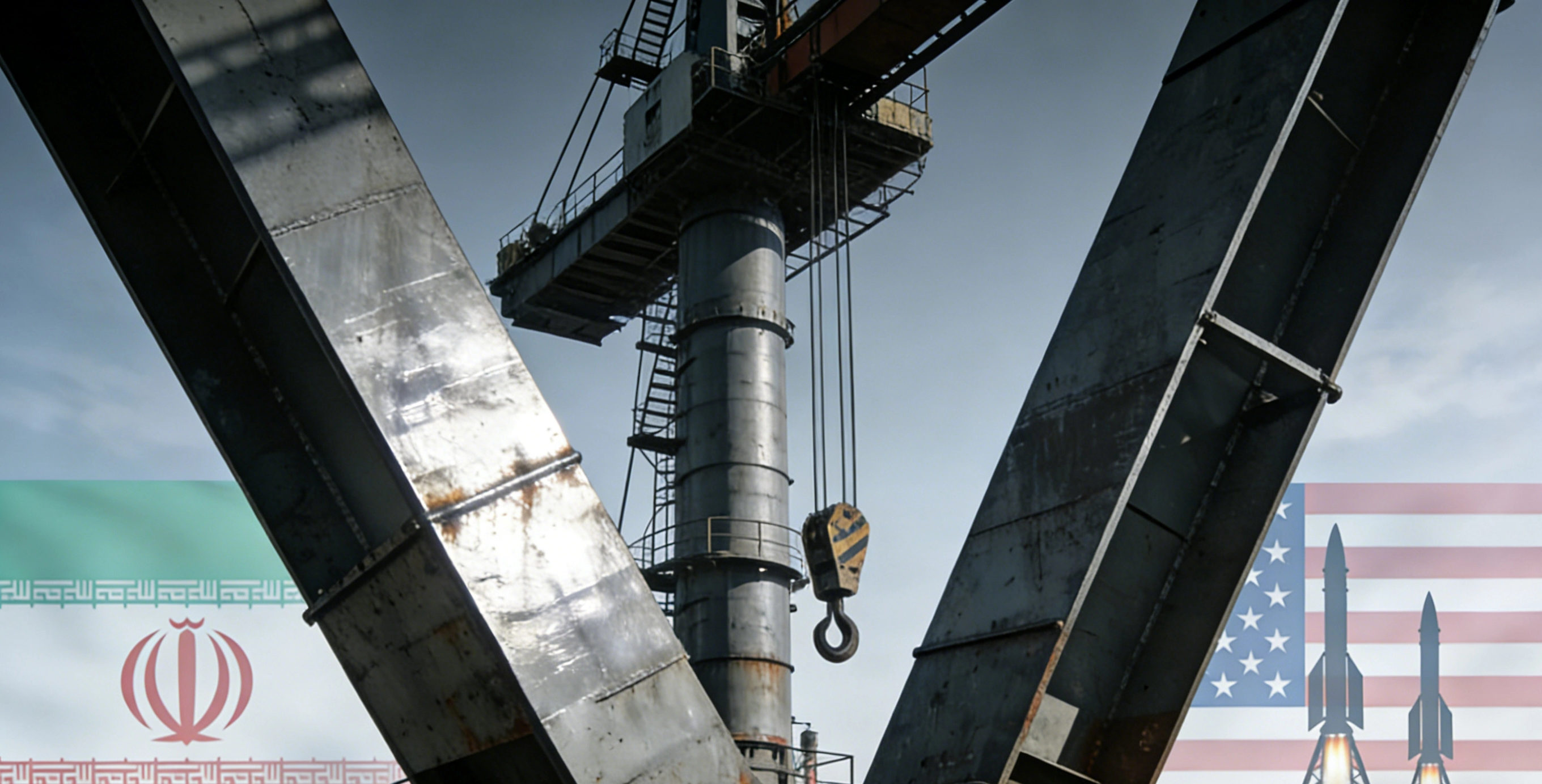
Major shipping giants have suspended or rerouted Middle East-bound services, with vessels forced to sail around the Cape of Good Hope. This detour adds thousands of nautical miles to journeys, extending shipping times by over 10 days and driving up fuel, labor, and insurance costs. War risk insurance premiums for sensitive sea routes have surged by more than 10 times, and container shipping rates for the Middle East have doubled or tripled in a short period. These costs are inevitably passed down the steel supply chain, pushing up the price of imported raw materials and exported steel products.
While global iron ore supply is expected to remain relatively loose in 2026 with expanded production from major miners, the US-Iran conflict has introduced transportation-driven volatility to regional raw material markets. Fertilizer supply chain disruptions linked to the conflict have also indirectly impacted steel-related agricultural infrastructure demand, creating a knock-on effect on steel consumption in emerging markets.
For high-grade steel producers relying on High Strength Low Alloy Carbon Steel Plate and Low Carbon Steel Plate ASTM A36 / S235JR, the rising cost of international transportation has eroded profit margins, even as raw material spot prices remain stable. Small and medium-sized steel enterprises are particularly vulnerable, as they lack the scale to absorb sudden shipping cost hikes.
Forward-thinking steel businesses are already adjusting their strategies to mitigate geopolitical risks. Many are shifting from sea freight to Eurasian rail corridors such as the Middle Corridor, which has seen record cargo growth in recent years and offers a more stable alternative for China-Europe steel trade. Others are optimizing their product mix to focus on domestically consumable steel products, reducing reliance on Middle East and Red Sea shipping routes.
For buyers in the marine and construction industries, securing long-term supply agreements for core products like Welded Steel Mesh Panel and Hot Rolled Wire Rod 5.5mm – 16mm has become a priority, as spot market availability grows uncertain amid shipping delays.
For businesses seeking reliable steel product supplies amid these disruptions, partnering with manufacturers with flexible logistics capabilities and a diverse product portfolio—including marine-grade steel, high-strength alloy steel, and basic steel products—will be key to weathering geopolitical storms.
Amid these logistical uncertainties, our team offers tailored shipping solutions and inventory management to ensure your projects stay on schedule. Contact our logistics experts for a free consultation.


